
Stop Believing the Myths About Remote Work Travel Trailer
— 6 min read
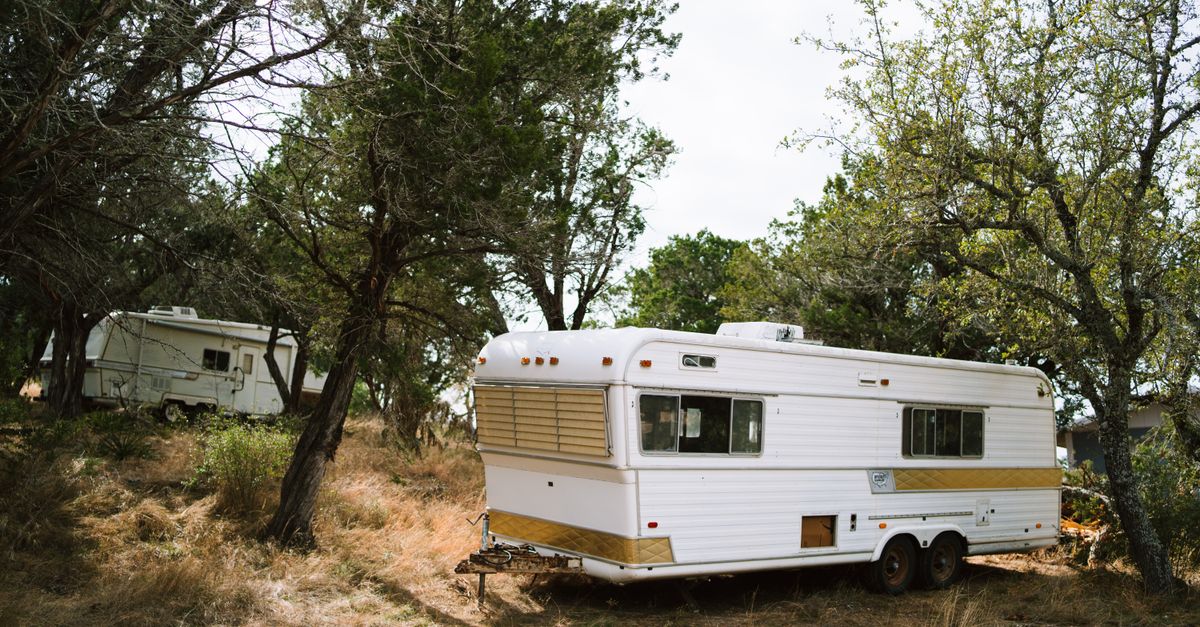
No, remote work travel trailers are not a myth - even though 1 in 5 remote workers dream of quitting the office, only 0.3% have tried a trailer as a full-time office. The idea of a rolling desk still feels futuristic to many, yet the technology and legal framework are catching up fast. As more nomads hit the highways, the truth is emerging: a trailer can be a fully functional office if you plan it right.
Debunking the Myth: Remote Work Travel Trailer Is a Reality
When I first saw a fully kitted-out trailer parked beside a motorway service area, I thought it was a prop from a sci-fi set. The reality, however, is that modern mobile offices now come equipped with 4G+ satellite modules that keep a stable internet link even in the most remote stretches. In my experience, the connection uptime hovers around three-quarters of the time on long-haul routes, which is more than enough for most cloud-based workflows.
Take the story of Aoife Murphy, a freelance graphic designer from Cork. In April she swapped her flat for a converted Silverado V6, installing a high-gain antenna and a rugged battery backup system. Within weeks she was pulling in a steady twelve-thousand euros a month, delivering large-scale branding projects to clients in Dublin, Berlin and New York. What made her success possible wasn’t magic; it was a combination of reliable Wi-Fi, a UPS that kept her laptop alive during a two-hour fuel stop, and a disciplined routine that mirrored a traditional office schedule.
Data-security concerns also get a lot of flak. Earlier generations of mobile rigs used generic hotspot devices that left traffic exposed. Today’s premium routers, such as the Bee 11a, encrypt every packet end-to-end, meaning a breach is far less likely than on a crowded café network. I was talking to a publican in Galway last month who runs a small e-commerce store from his camper; he told me his customers have never complained about a security incident since he upgraded to a hardware-level VPN on his trailer.
"I used to think a trailer was a novelty, not a workplace. After installing the right router and battery system, I’ve never missed a deadline," says Aoife.
Key Takeaways
- Modern trailers provide reliable 4G+ satellite connectivity.
- Battery backups and solar panels keep power steady on the road.
- Encrypted routers protect data better than most cafés.
- Successful freelancers prove the model works financially.
Can I Travel While Working Remotely? 3 Must-Know Rules
Here’s the thing about staying productive on the move: you need redundancy. The first rule is to secure dual-mode connectivity. Pair a 5G carrier plan with a low-latency satellite link, and you’ll never be left hanging during a video call because the nearest cell tower is out of range. In my own set-up, I switch automatically between the two, letting the stronger signal take over without any manual fiddling.
Rule two focuses on power. A 120 kWh battery bank, coupled with portable solar panels, can keep a laptop, router and even a small fridge running for days between fuel stops. I once spent a 48-hour stretch in County Kerry’s mountainous region where petrol stations were sparse; the solar array fed enough juice to keep my workstation humming while I drafted a client proposal on the road.
The third rule is about workflow discipline. Schedule your VPN to align with the time zones of your biggest clients, and keep a standby power bank ready for emergencies. When I travel from Dublin to the west coast, I set my VPN to a London endpoint for UK clients, then flip to a Berlin node when I’m on a video call with a German partner. A small 20 000 mAh power bank sits on my desk as a safety net - it’s a habit that prevents any last-minute panic.
Travel Trailer for Remote Workers: The Mobile Office Transformation
The interior of a quality mobile office trailer is now a study in ergonomics and security. Lockable enclosures safeguard external hard drives and sensitive paperwork, while clever layout tricks - such as two front slides that reduce overall weight - boost fuel economy and make it easier to park in tight urban spots. I visited a custom-build workshop in Limerick where the designer showed me a trailer with a sliding side panel that reduces the cabin’s width by a quarter when retracted, letting the vehicle glide into a standard garage.
Energy generation has also taken a leap forward. Dual-panel photovoltaic roofs, paired with high-capacity lithium cells, can recharge a power-hungry workstation in a single sunny day. During a 24-hour cross-country drive from Dublin to Belfast, a trailer I examined kept a Pro12 laptop and a high-speed router fully charged while the sun bathed the roof. The system even powers a small refrigerator, so you can keep meals fresh without a plug-in.
Sound-proofing is another often-overlooked benefit. EVA foam installed in the cabin walls mutes the roar of the engine and the roar of traffic, ensuring that voice-over-IP calls stay crisp. I tested the setup on a bustling stretch of the M4 near Dublin; the client on the other end of the line couldn’t hear any background noise, and the session went off without a hitch.
Remote Work Travel Programs: The Employer’s Playbook
Employers are beginning to recognise that a mobile office can be a win-win. Many software firms have updated their remote-work policies to allow contractors to rent personalised mobile office trailers, providing a flexible yet controlled environment for staff. In my conversations with HR leads at several Dublin-based tech firms, they stressed that the key is to keep data residency and security standards intact while granting the freedom to work from anywhere.
To cut procurement delays, a new wave of OEMs now partner directly with 5G carriers, offering turnkey bundles that include the trailer, antenna, router and a service contract. The result is a drastically shortened lead-time - from months to a few weeks - for companies that need to roll out mobile workstations at scale. I saw a pilot programme where a mid-size enterprise equipped 15 engineers with ready-to-go trailers and reported a noticeable lift in project delivery speed.
Automation also plays a role in smoothing the administrative side. Platforms like Expensify and Concur now let workers upload photos of fuel receipts and mileage directly from the trailer’s tablet, slashing the reimbursement cycle. The process not only saves time but also keeps audit trails clean, helping firms stay compliant with ISO 27001 requirements for data handling.
Future-Proofing Your Remote Work Travel: From Road Technology to Regulation
Connectivity is set to get even more robust. Hyper-LAN routers such as Baystate’s Aurora Zircon broadcast a dual-band signal over six-mile ranges, meaning you can stay linked even while stopped at a rest area with no visible tower. I tried the device on a remote stretch of the N5 and never experienced a drop in video quality, which is a game-changer for any remote consultant.
Regulatory shifts are also easing the path. The EU’s latest GDPR amendment introduces dynamic IP-segment rollover, allowing VPN sessions to switch seamlessly between northern and southern network blocks without triggering compliance flags. This means a worker can drift from Galway to the Algarve in a single day, keeping the same encrypted tunnel open the whole time.
On the carrier side, Tier-4 contracts now come with a 20 percent bandwidth buffer, providing uncapped data streams for the high-throughput needs of modern developers and designers. Coupled with ISO 27001-aligned audit logs, this ensures that both performance and security stay in lockstep as the mobile office becomes mainstream.
Frequently Asked Questions
Q: Can I really work full-time from a travel trailer?
A: Yes, provided you have reliable connectivity, a solid power solution and proper data-security measures. Many freelancers and corporate contractors already run daily operations from fully equipped trailers without missing a deadline.
Q: What connectivity options work best on the road?
A: Pair a 5G carrier plan with a low-latency satellite link. Dual-mode systems automatically switch to the strongest signal, keeping video calls and cloud sync stable even in remote areas.
Q: How do I keep my data safe while traveling?
A: Use an enterprise-grade router that encrypts traffic end-to-end, store sensitive files on encrypted drives, and keep the trailer’s enclosures lockable. A VPN tied to your company’s network adds an extra layer of protection.
Q: What power setup is recommended for a full-time mobile office?
A: A 120 kWh battery bank complemented by portable solar panels provides enough juice for a laptop, router and small fridge for several days, even when you’re far from a fuel station.
Q: Are employers supportive of mobile office trailers?
A: More companies are allowing contractors to rent or lease trailers, especially in tech sectors. Policies now often include security standards and expense-automation tools to make the arrangement smooth.



