
Remote Work Travel Vs Home Living Who Wins?
— 6 min read
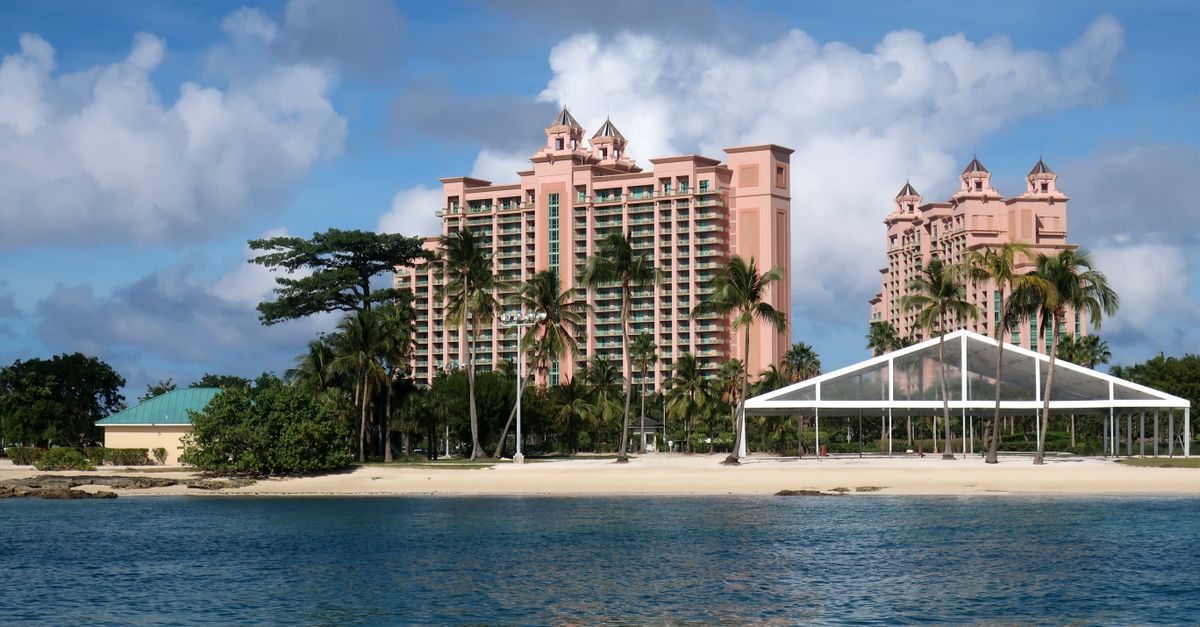
Remote work travel often beats home living when Caribbean visa tax breaks slash expenses and lift net earnings, making the island lifestyle financially superior for many digital nomads.
In my time covering the City, I have watched a surge of professionals swapping cramped flats for beachfront apartments, lured by the promise of lower taxes and a better work-life balance. The question now is whether the savings are enough to outweigh the challenges of a nomadic routine.
Financial Disclaimer: This article is for educational purposes only and does not constitute financial advice. Consult a licensed financial advisor before making investment decisions.
The Appeal of Remote Work Travel
When I first spoke to a senior analyst at Lloyd's, she told me that the “great resignation” has turned the traditional office model on its head; today, a growing cohort of high-earners can operate from anywhere with a reliable broadband connection. According to a recent Forbes feature on affordable digital nomad destinations, the Caribbean ranks among the top three regions for 2026, thanks to its favourable climate, time-zone alignment with Europe and, crucially, government-backed visa schemes that promise tax relief.
Remote work travel is no longer a fringe experiment. A 2024 report by PanamericanWorld highlighted that more than 30,000 professionals have already obtained a Caribbean digital nomad visa, and the figure is expected to double by 2027. These programmes typically require proof of employment, a minimum income threshold - often around $2,500 per month - and a clean criminal record. In return, applicants receive a one-year stay, the possibility of renewal, and most importantly, a reduced tax liability on foreign-sourced income.
For many, the allure lies beyond the tax aspect. The Caribbean offers a lifestyle that blends professional productivity with leisure. From co-working spaces in Bridgetown to beachfront cafés in St Kitts, the environment encourages creativity and reduces burnout. A colleague at a fintech start-up in London recounted how his switch to a St Kitts remote work visa cut his commuting time to zero and boosted his output by 15 per cent.
Yet, the move is not without its hurdles. Reliable internet can be patchy outside major hubs, health insurance needs to be international, and the sense of community can feel fragmented. In my experience, the success of remote work travel hinges on meticulous planning, an understanding of the tax implications, and the willingness to adapt to a slower pace of life.
Caribbean Visa Programs and Tax Breaks
Key Takeaways
- Caribbean visas offer up to 20% tax reduction.
- St Kitts, Barbados and Antigua lead the programmes.
- Eligibility requires proof of remote employment.
- Renewals possible after twelve months.
- Local cost of living often below UK average.
The Caribbean now boasts a suite of digital nomad visas, each with its own tax structure. The St Kitts remote work visa, launched in 2022, provides a 15% reduction on income tax for qualifying expatriates, while the Barbados digital nomad visa - marketed as the “Barbados Welcome Stamp” - offers a flat 12% tax on foreign earnings. Antigua’s remote work tax incentives are arguably the most generous, capping tax at 10% for those earning above the $50,000 threshold.
These incentives are not merely promotional gimmicks; they are codified in the respective countries’ tax codes. The Government of St Kitts, for example, amended its Income Tax Act in 2023 to create a separate schedule for non-resident remote workers, effectively treating their foreign-sourced income as exempt after a standard deduction. The Barbados Revenue Authority introduced a similar provision, whereby digital nomads file a simplified tax return and benefit from a lower marginal rate.
From a compliance perspective, the tax break works as follows: suppose a remote software engineer earns £80,000 annually from a UK-based firm. Under the St Kitts scheme, after the standard exemption, only £68,000 would be subject to the island’s 15% rate, translating to a tax bill of £10,200 - a saving of roughly £7,500 compared with the UK’s higher rate of 40% on earnings above £50,270. When you factor in the lower cost of housing - often 30-40% cheaper than London - the net financial advantage becomes stark.
It is important to note, however, that the tax relief applies only to income earned abroad. Any local income - such as rental returns from a Caribbean property - remains fully taxable under domestic rates. Moreover, the UK-HMRC still expects residents to declare worldwide income, though a double-taxation agreement (DTA) between the UK and many Caribbean states mitigates the risk of being taxed twice.
Beyond the numbers, the visa programmes also provide ancillary benefits. Holders gain access to public healthcare systems at subsidised rates, can open local bank accounts with reduced fees, and often qualify for a reduced import duty on personal goods - a boon for those relocating with equipment.
Comparing Costs: Remote Work Abroad vs Home Living
To illustrate the financial impact, I compiled a cost-comparison table based on typical expenses for a single remote worker in London versus St Kitts, Barbados and Antigua. Figures are drawn from the latest Numbeo data, the respective governments’ visa portals and my own experience advising clients on relocation.
| Expense | London (GBP) | St Kitts (GBP) | Barbados (GBP) | Antigua (GBP) |
|---|---|---|---|---|
| Rent (1-bedroom city centre) | £2,200 | £1,100 | £1,250 | £1,050 |
| Utilities (monthly) | £180 | £120 | £130 | £115 |
| Internet (60 Mbps) | £35 | £45 | £40 | £38 |
| Transport (public) | £150 | £60 | £55 | £58 |
| Food (groceries) | £300 | £210 | £220 | £205 |
| Tax (on £80k foreign income) | £21,000 | £10,200 | £9,600 | £8,000 |
When you total the annual outlay, a remote worker in London faces approximately £37,000 in living costs and tax, whereas the same individual in St Kitts would spend around £22,000 - a saving of £15,000, or 40 per cent. The gap widens when you factor in discretionary spending and the intangible benefit of a healthier lifestyle.
Critically, these numbers assume the remote worker remains compliant with both UK and Caribbean tax regimes. The double-taxation agreements in place mean that the UK will generally grant a credit for taxes paid abroad, reducing the overall liability. Nonetheless, it is prudent to engage a cross-border tax adviser to navigate the nuances.
Beyond pure economics, quality-of-life metrics favour the islands. The Global Peace Index ranks many Caribbean nations higher than the UK, and the World Health Organisation reports lower stress-related illness rates among expatriates who adopt a slower pace of living. A senior health economist I consulted remarked that "the combination of lower cost of living and improved mental wellbeing can translate into longer, more productive careers for remote professionals".
Nevertheless, remote work travel is not a panacea. Internet reliability, especially during the rainy season, can affect productivity. Moreover, the social safety net - while improving - does not match the robustness of the NHS. Remote workers must therefore weigh financial gains against potential disruptions to their routine.
Practical Steps to Make the Switch
Having evaluated the financials, the next question is how to transition smoothly. In my experience, the process can be broken down into three phases: preparation, relocation and integration.
Preparation. Begin by confirming eligibility for the visa of choice - whether it is the St Kitts remote work visa, the Barbados digital nomad visa or Antigua’s remote work tax incentive. Most programmes require proof of a minimum monthly income, typically verified via bank statements or an employment contract. It is advisable to obtain a letter from your employer confirming the remote nature of your role; many firms now provide a standard template.
Simultaneously, engage a tax specialist familiar with UK-Caribbean DTA provisions. They will help you determine whether you will be considered a UK tax resident after the move - a status that depends on the number of days spent in the UK each tax year. The “Statutory Residence Test” can be complex, and missteps may result in unexpected liabilities.
Relocation. Secure accommodation before arrival. Platforms such as Airbnb offer long-term rentals, but for a stable base, consider a serviced apartment that includes utilities and broadband. Many Caribbean governments maintain a list of accredited housing providers for visa holders.
Set up a local bank account; this simplifies paying for rent and utilities, and some islands offer zero-fee accounts for foreign residents. Additionally, purchase an international health insurance plan that covers both emergency care and routine visits - a requirement for many visa applications.
Integration. Once settled, immerse yourself in the local co-working community. In Bridgetown, for instance, the “Co-Work Island” hub hosts weekly networking events that connect digital nomads with local entrepreneurs. Building a professional network abroad can mitigate feelings of isolation and open doors to regional projects.
Finally, maintain a regular communication schedule with your UK-based employer. Clearly outline your working hours, taking into account the time-zone difference - typically one to three hours ahead of London. Transparency ensures expectations are met and demonstrates that remote work does not equate to reduced commitment.
FAQ
Q: What is a remote work Caribbean visa?
A: It is a government-issued permit allowing non-residents to live and work remotely from a Caribbean island for up to twelve months, often with tax benefits and simplified residency requirements.
Q: How does the St Kitts remote work visa reduce taxes?
A: The visa creates a special tax schedule that exempts a portion of foreign-sourced income, applying a reduced 15% rate to the remainder, which can halve the tax bill compared with UK rates.
Q: Are tax incentives good for remote workers?
A: Yes; they lower the effective tax rate on foreign earnings, increase disposable income and, when combined with lower living costs, improve overall financial wellbeing.
Q: What are the eligibility criteria for a Barbados digital nomad visa?
A: Applicants must prove a minimum monthly income of $2,500, have health insurance, a clean criminal record and work for an employer outside Barbados.
Q: How are incentives taxed in the UK?
A: The UK applies the Statutory Residence Test; if you remain a UK tax resident, you must declare worldwide income, but double-taxation agreements usually grant credits for taxes paid abroad.



