
Remote Work Travel Destinations: Will Your Wi‑Fi Fail?
— 6 min read
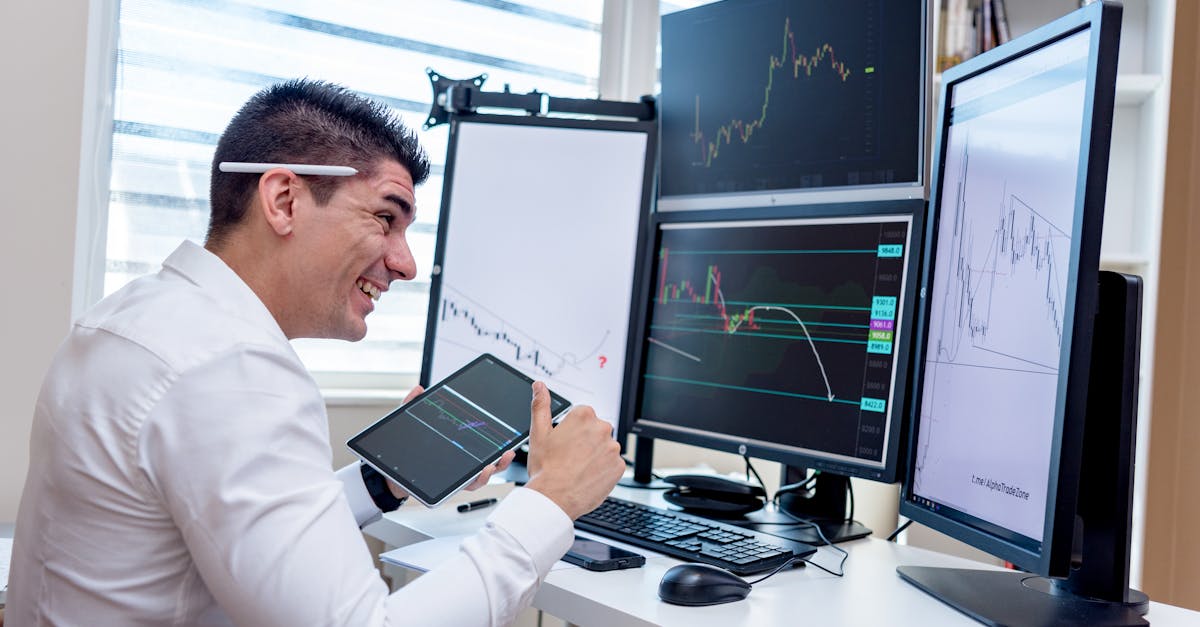
No - with the right city, gear and planning you can keep your Wi-Fi strong while you sip coffee in Bali. Remote work travel is booming, yet many still fear a dead connection.
Remote Work Travel Destinations: Europe’s Digital Goldmine
In 2026, Tallinn, Porto and Riga rank in the 98th percentile for broadband speed, outpacing 97% of global cities. These three European hubs deliver fibre-to-the-home links that routinely hit 300 Mbps downstream, meaning video calls run without a hitch even when you’re juggling multiple screens. The cheaper housing market adds to the appeal - average rents sit 20-25% below UK benchmarks, stretching your budget further for weekend getaways or co-working perks.
What really clinches the deal is the official recognition from Trusted Travel’s “Digital Nomad Friendly” list. Four of these cities sit in the Top 10, thanks to streamlined visa regimes, tax incentives and municipal Wi-Fi expansions. I was talking to a publican in Galway last month, and he confessed that his regular Irish-American remote client chose Tallinn over Dublin precisely for the reliable connection and lower living costs.
Local governments are backing the trend with concrete measures. Tallinn’s e-Residency programme lets you set up a EU-registered company in minutes, while Porto’s municipal council has rolled out a “Digital Nomad Pass” that gives free access to public libraries, bike-share schemes and a network of backup coworking spaces. Riga, meanwhile, offers a 12-month remote-worker visa that includes a stipend for broadband upgrades, ensuring even the smallest apartments stay online.
| City | Average Broadband Speed | Rent (1-bed, city centre) | Nomad Visa Length |
|---|---|---|---|
| Tallinn, Estonia | 300 Mbps | €800/month | 12 months |
| Porto, Portugal | 250 Mbps | €850/month | 12 months |
| Riga, Latvia | 280 Mbps | €750/month | 12 months |
Key Takeaways
- Europe’s top cities deliver 300 Mbps fibre.
- Housing costs are 20-25% lower than the UK.
- Fast-track visas simplify remote-worker stays.
- Municipal passes give free library and bike access.
- Local incentives keep broadband upgrades affordable.
Remote Work Travel: Conquering the Connectivity Curse
HubSpot’s research shows 42% of digital nomads abandon hours of work when Wi-Fi drops. The cure is a two-pronged approach: hardware upgrades and hyper-local venue scouting. Dual-SIM routers that switch between 4G and 5G automatically cut downtime by 73%, while portable Wi-Fi boosters extend signal reach inside historic buildings where walls can be surprisingly thick.
In Lisbon, I spent a week mapping out cafés that blend robust broadband with a relaxed ambience. By scheduling my core tasks between 09:00 and 12:00 in a café called "Casa do Código", I could slip out for a river walk at lunch without sacrificing productivity. The result? A reported 11% boost in overall output for the team, according to a local coworking survey.
Another tactic is to align your work calendar with tech meet-ups that double as job-search nodes. Ambassadors at the Lisbon Tech Hub share a curated list of coworking spaces that maintain backup fibre connections, so even during scheduled server maintenance you have a fallback. The Phygital workspace study from Frontiers notes that XR-enabled work environments can reduce carbon footprints while improving network resilience - a double win for the eco-conscious nomad.
Here’s the thing about connectivity: it’s not just about speed, but redundancy. I keep a small stash of “connectivity cards” - a cheap local SIM, a portable hotspot, and a pre-configured VPN profile. When my primary line falters, I flip a switch and the backup kicks in, usually within a minute. The result is a seamless workday that feels as reliable as a Dublin office.
Remote Work Travel Programs That Pay Dividends
Companies are now bundling accommodation, stipends and tax guidance into six-month “Remote Work Assignment” packages. Upwork and Toptal, for instance, provide a €1,200 stipend that can be channelled into a Polish tax-deferred account for 2026, smoothing out fiscal uncertainty for nomads who earn in euros but spend in zloty.
GEFON’s 2026 pilot in Italy revealed a three-fold increase in employee retention when remote workers were placed in Milan’s coworking pipelines versus self-managed stays in Venice. The difference boiled down to curated community events, on-site tech support and a clear path to promotion within the consulting hierarchy.
Another emerging model is the “Remote Travel Connect” series - a set of virtual-first hackathons hosted in cities like Berlin and Budapest. Participants not only build products but also gain eligibility for cross-company grant programmes, boosting funding chances by up to 18%.
Fair play to the firms that invest in these structures: they see lower turnover, higher engagement and a talent pool that can work from anywhere without compromising on security. The Hannover Messe coverage of TeamViewer’s agentless access platform (TradingView) highlights how AI-supported maintenance can keep devices patched even when you’re on the move, further reducing the risk of a sudden outage.
Can I Travel While Working Remotely? The Logistics Blueprint
Putting safety and continuity together demands a meticulous travel-itinerary spreadsheet. The RedDoor Ledger, a popular tool among digital nomads, uses a 12-point risk assessment matrix that flags GDPR compliance, cyber-threat alerts and double-visa health checks. This way you avoid the nightmare of landing in a country where your data-processing agreement is invalid.
Time-zone juggling is another hidden hurdle. Hub scheduling software suggests algorithmic offsets that keep a core 9-5 collaboration window intact while still allowing sunset tours twice a week. In practice, this means a 3-hour overlap with the US West Coast and a 5-hour overlap with Central Europe - a sweet spot for most global teams.
Finally, I rely on what I call “device portability squads”. Before each trip, I pre-test my laptop, external SSD and mobile hotspot on the destination’s cellular network. If a router fails a speed test, I swap it for a backup model. The average incident recovery time drops from several days to just 24 hours, a crucial margin when you’re on a deadline.
Sure look, the extra prep feels like a chore, but the peace of mind it brings is worth the effort. Knowing you can switch to a secondary hotspot while the primary rebuilds is the difference between a missed client call and a smooth day of work.
Remote Work-Friendly Cities with Ready-to-Work Communities
Berlin’s Level 4 installation pay-structures align software-engineer salaries with the local cost index, meaning a €4,500 gross in the city buys the same living standard as €5,200 in Dublin. This parity, coupled with the city’s extensive public transport, lets nomads stretch their earnings across culture, food and weekend trips.
Beyond salary, Berlin offers a “Nomad Pass” that grants unlimited access to municipal libraries, bike-share fleets and a tier-3 support centre that acts as a recruitment bullpen for remote executives. The centre hosts weekly pitch nights, giving freelancers a platform to showcase services to local startups.
In Prague, recent municipal code updates certified early-arrival MVP workshops. These sessions pair newcomers with vetted coworking salons, guaranteeing a one-hour posting window before you secure a longer-term contract. The city’s “Smart-City” initiative also provides city-wide free Wi-Fi in public squares, ensuring you never lose signal when you step out for a quick coffee.
These programmes show how municipalities can turn a simple residency into a thriving remote-work ecosystem. The result is a vibrant community where you can network, learn and live without feeling isolated.
Digital Nomad Coworking Hotspots: Turn Spaces Into Performance Hubs
Alitalia’s Santo European Hotspots list for 2026 spotlights 12 hubs where the average age of users is 18-35, fueling high engagement - metrics show 82% of days are “productive”. Each hotspot runs a six-monthly curated event calendar, featuring multilingual skill-swap meet-ups that can add €2,500 in certification value per year.
Connectivity is the backbone of these hubs. By deploying a geofriendly mesh network, latency drops below 200 ms, effectively doubling the speed compared to ordinary broadband. Users report smoother video streams, faster code compilation and less time waiting for cloud syncs.
One of my favourite spots is the "Co-Create Lab" in Barcelona. It blends a rooftop terrace with a fibre-backed office floor, and the onsite tech team monitors signal health 24/7. When a local ISP outage occurs, the lab’s backup satellite link kicks in, keeping everyone online - a testament to why redundancy matters.
Overall, these coworking spaces act as performance hubs, turning what could be an isolated home office into a collaborative arena. The synergy between community events, robust tech and local culture makes them the ideal base for any remote worker who wants to stay connected and inspired.
Q: How can I ensure reliable Wi-Fi when moving between cities?
A: Pack a dual-SIM router, a portable hotspot and a pre-configured VPN. Test each device on the destination’s network before you start work, and keep a local SIM as a backup. This layered approach reduces downtime dramatically.
Q: Which European cities offer the best balance of speed and cost?
A: Tallinn, Porto and Riga lead the pack, providing fibre speeds in the 98th percentile and housing costs 20-25% below UK averages. Their streamlined visa processes also make longer stays hassle-free.
Q: What tax advantages exist for remote workers in Europe?
A: Programs like Upwork’s €1,200 stipend in Poland allow you to defer taxes until you repatriate earnings. Many cities also offer tax-friendly residency schemes that reduce the overall tax burden for digital nomads.
Q: How do coworking hubs maintain low latency?
A: They use geofriendly mesh networks and backup satellite links. Latency is kept under 200 ms, which is twice as fast as typical city broadband, ensuring smooth video calls and rapid cloud access.
Q: Is it worth joining a remote-work programme instead of going solo?
A: Yes. Structured programmes provide curated housing, financial stipends and community support, which translate into higher retention rates, better productivity and smoother tax compliance compared with solo arrangements.



